
Ivermectin Tablets UK
Ivermectin is an antiparasitic medicine used to treat certain infections caused by parasites. The right treatment is not the same for everyone, so ivermectin should only be used when it is appropriate for the diagnosed condition and recommended by a qualified healthcare professional.
Here you can explore our ivermectin tablet range and find clear information about recognised uses, tablet strengths, possible side effects and important safety considerations.
Ivermectin Tablets for Scabies Treatment
Ivermectin Tablets contain 3 mg of ivermectin in each tablet. Ivermectin is an antiparasitic medicine used for the treatment of certain parasitic infections. Depending on the diagnosis and medical advice, it may be prescribed for conditions including scabies, intestinal strongyloidiasis and microfilaraemia associated with lymphatic filariasis.
For scabies, ivermectin works against the mites responsible for the infection. Treatment should only be taken when prescribed by a qualified healthcare professional, who will determine whether ivermectin is appropriate and how much should be taken.
Ivermectin Tablets may be prescribed for adults and children weighing at least 15 kg. The appropriate dose depends on body weight, the condition being treated and individual medical circumstances.
| Medication Information | Details |
|---|---|
| Medication Name | Ivermectin 3 mg Tablets |
| Active Ingredient | Each tablet contains 3 mg of ivermectin |
| Medication Form | Oral tablet |
| Used to Treat | Certain parasitic infections, including scabies, intestinal strongyloidiasis and microfilaraemia associated with lymphatic filariasis |
| Who Can Use It | Adults and children weighing 15 kg or more, when prescribed appropriately |
| Prescription Required? | Yes. Ivermectin tablets are a Prescription Only Medicine (POM) |
| Patient Information | Read the official Patient Information Leaflet supplied with the medicine before starting treatment |
What are Ivermectin Tablets used for?
Scabies: Ivermectin may be prescribed to treat scabies, a skin infestation caused by tiny mites that burrow into the skin and cause intense itching.
Intestinal Strongyloidiasis: It is used to treat an intestinal infection caused by the parasitic roundworm Strongyloides stercoralis.
Lymphatic Filariasis: Ivermectin may also be used in the treatment of microfilaraemia caused by immature Wuchereria bancrofti worms.
How do Ivermectin tablets work?
1. Ivermectin is an anthelmintic medicine, which is a type of antiparasitic treatment. It works by affecting the nervous system of certain parasites, including mites and worms.
2. When taken by mouth, the ivermectin tablet is swallowed and the medicine is absorbed through the gut before reaching the parasites in the body.
3. Ivermectin then binds to specific channels in the parasite’s nerve and muscle cells. This increases the movement of chloride ions into the cells, interfering with normal nerve and muscle function. As a result, the parasite becomes paralysed and eventually dies.
4. These particular channels are mainly found in invertebrates such as mites and worms. This selective action helps ivermectin target susceptible parasites at prescribed doses.
Who are Ivermectin Tablets suitable for?
Ivermectin Tablets may be suitable for adults and children who weigh at least 15 kg, when prescribed by an appropriate healthcare professional.
Do not take Ivermectin Tablets if you:
- Are allergic to ivermectin or any of the other ingredients in the medicine.
- Have previously developed a severe skin rash, blistering or sores in the mouth after taking ivermectin.
Speak to a doctor before taking ivermectin if you:
- Are pregnant or breastfeeding.
- Have a weakened immune system or an immune disorder.
- Live or have previously lived in areas of Africa where Loa loa (eye worm) infection occurs.
- Are elderly, particularly if you have other health conditions or take other medicines, as additional medical assessment may be needed.
Where can you buy Ivermectin tablets in the UK?
In the UK, Ivermectin tablets are only available with a prescription. If you need ivermectin, a healthcare professional should first check whether it is suitable for you based on your condition, medical history and other medicines you are taking.
You can see Ivermectin 3 mg tablets on our website for more information about the medicine, available pack sizes and important safety details. If ivermectin has been prescribed for you, it should be taken as directed by your healthcare professional.
How to Take Ivermectin Tablets to Treat Scabies
Empty Stomach: Take Ivermectin Tablets with water on an empty stomach, following the instructions given by your prescriber.
Food Restrictions: Avoid eating for two hours before and two hours after taking ivermectin, as the effect of food on its absorption is not fully established.
Children: For children under 6 years of age who weigh at least 15 kg, the tablets should be crushed before swallowing.
Scabies Dosage: The recommended dose for scabies is 200 micrograms of ivermectin per kilogram of body weight, taken as a single dose. The exact number of tablets should be determined by a healthcare professional.
Dosage Table (Scabies & Strongyloidiasis)
| Body Weight (kg) | Dose (Number of 3 mg Tablets) |
|---|---|
| 15–24 | One tablet |
| 25–35 | Two tablets |
| 36–50 | Three tablets |
| 51–65 | Four tablets |
| 66–79 | Five tablets |
| 80 kg or more | The dose should be calculated according to body weight |
Note: For scabies, a second dose may be recommended 7 to 15 days after the first dose. Follow the dosing schedule provided by your prescriber rather than taking an additional dose yourself.
Safety and Precautions
Before taking ivermectin, tell your prescriber or pharmacist about any medical conditions, allergies and other medicines or supplements you use. This helps them decide whether ivermectin is suitable for you.
Particular consideration is required during pregnancy and breastfeeding. Current UK product information also states that the safety of ivermectin has not been established in children weighing less than 15 kg.
Do not use ivermectin for a condition for which it has not been recommended, and never change a prescribed treatment plan without medical advice.
Ivermectin Tablet Side Effects
Like all medicines, ivermectin can cause side effects, although not everyone will experience them. Reported effects can include headache, dizziness, nausea, diarrhoea, abdominal discomfort and weakness. Some reactions may also be related to the body’s response to the parasites being treated.
Very rare but serious skin reactions have also been reported. Seek urgent medical attention if you develop a severe or spreading rash, blistering or peeling skin, or sores affecting areas such as the mouth or eyes.
For a complete list of known side effects and warnings, read the Patient Information Leaflet supplied with your specific medicine.
Storage Instructions
- Keep Ivermectin Tablets out of the sight and reach of children.
- Store the tablets in their original packaging to protect them from light.
- Do not take the medicine after the expiry date printed on the packaging.
FAQs – Ivermectin Tablets
Q. Do my family members need treatment even if they do not have itching?
A: People who have had close contact with someone who has scabies may need assessment and treatment even if they do not yet have symptoms. Household members and sexual contacts should seek advice from a healthcare professional, as treating close contacts at the same time can help prevent reinfection.
Q. Why should I avoid food around the time I take Ivermectin Tablets?
A: Ivermectin Tablets should be taken with water on an empty stomach. Follow the instructions provided with your medicine and by your prescriber regarding how long you should avoid food before and after taking the dose.
Q. I am still itching after taking ivermectin for scabies. Does this mean the treatment has not worked?
A: Not necessarily. Itching may continue for several weeks after successful scabies treatment because the skin can remain irritated even after the mites have been treated. Speak to your doctor if symptoms persist, become worse or you notice new burrows or lesions.
Q. How should I wash my bedding and clothes during scabies treatment?
A: Clothes, towels and bedding should be cleaned as advised when treatment begins. Items that cannot be washed may need to be kept separately in a sealed bag for an appropriate period. Follow current healthcare guidance for managing your household and preventing reinfection.
Q. Why might a second dose of ivermectin be needed for scabies?
A: Ivermectin does not reliably kill scabies eggs. For this reason, a healthcare professional may recommend another dose after the first treatment to target mites that have subsequently hatched. Take a second dose only according to your prescribed treatment plan.
Q. Do you need a prescription for ivermectin in the UK?
A: Yes. Oral ivermectin is a Prescription Only Medicine (POM) in the UK and cannot normally be purchased over the counter. A suitable healthcare professional must assess whether ivermectin is appropriate and prescribe it when clinically indicated.
Q. What should I do if I miss a dose or take too much ivermectin?
A: Follow the instructions from your prescriber if you forget a scheduled dose and do not take a double dose to compensate. If you take more ivermectin than prescribed, seek medical advice promptly and tell the healthcare professional how much you have taken.
Q. Can I drink alcohol while taking ivermectin?
A: Ivermectin may cause side effects such as dizziness in some people. If you drink alcohol, ask your doctor or pharmacist whether it is appropriate during your treatment, particularly if you experience dizziness or other side effects.
Q. Can I use Ivermectin Tablets with permethrin cream?
A: Oral ivermectin and topical permethrin may sometimes be used as part of scabies treatment, including in particular clinical circumstances. However, you should use both treatments together only when advised by a healthcare professional and follow the treatment schedule they provide.
Important Medical Information
This page provides general information and does not replace advice from a healthcare professional. Always read the Patient Information Leaflet and follow the instructions provided by your prescriber or pharmacist.
Medical Information and References
For current United Kingdom (UK) information about ivermectin, including indications, dosing, contraindications, warnings and possible side effects, refer to the electronic Medicines Compendium (emc):
Ivermectin Medicines Information – emc
For product-specific information:
Ivermectin 3 mg Tablets – Summary of Product Characteristics (SmPC)
Showing all 6 results
-

Iverheal 12 mg
Ivermectin Tablets UK7 reviews Price range: £65.00 through £800.00 Select options This product has multiple variants. The options may be chosen on the product page -

Iverheal 3 mg
Ivermectin Tablets UK6 reviews Price range: £50.00 through £450.00 Select options This product has multiple variants. The options may be chosen on the product page -

Iverheal 6 mg
Ivermectin Tablets UK6 reviews Price range: £60.00 through £600.00 Select options This product has multiple variants. The options may be chosen on the product page -
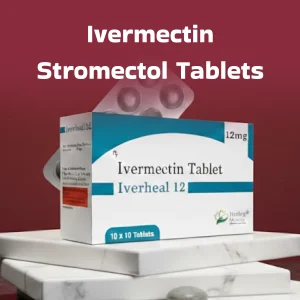
Ivermectin 12 mg Tablets
Ivermectin Tablets UK13 reviews Price range: £65.00 through £800.00 Select options This product has multiple variants. The options may be chosen on the product page -

Ivermectin 3 mg Tablets
Ivermectin Tablets UK10 reviews Price range: £50.00 through £450.00 Select options This product has multiple variants. The options may be chosen on the product page -
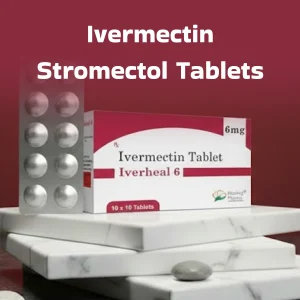
Ivermectin 6 mg Tablets
Ivermectin Tablets UK12 reviews Price range: £60.00 through £600.00 Select options This product has multiple variants. The options may be chosen on the product page
